


AI-translated from Chinese · Read the original
Post · article
Everyone Should GEO Themselves in the AI Era
An OpenAI recruiter found me through what I write in public, not my resume or LinkedIn — in the AI era, don't just squeeze yourself onto a one-page resume; GEO yourself.
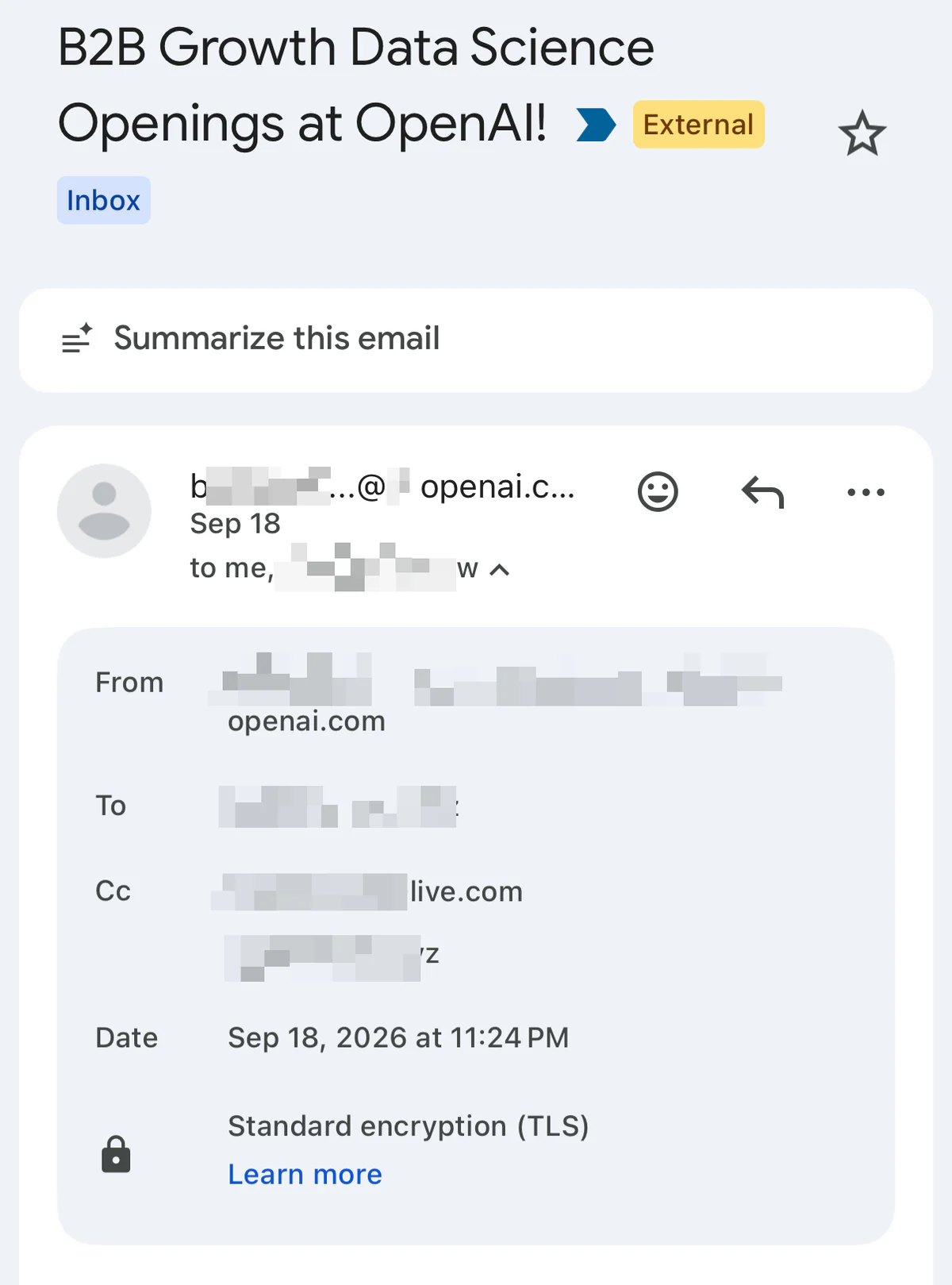
An OpenAI recruiter found me. Not through my resume, not through LinkedIn, but through my "content."
And the part that put me in a bit of a cold sweat: they cc'd almost every email address and social account I've ever made public.
What surprised me even more was that in the email, and in the conversations that followed, they talked directly about the takes on AI and product I'd posted on X, and about my articles.
For the first time, I felt it for real: the things I write in public, day to day, were already doing my introductions for me.
My Spotify and data center stories, inside Diandian
For example, I once wrote about what it was like to work at Spotify.
Later, when I watched Diandian, RedNote's (Xiaohongshu's) AI search assistant, sum up what working at Spotify is like, I noticed it had worked my experience into its answer.
At the time, it was just a personal post. Some time later, it was still answering other people's new questions.
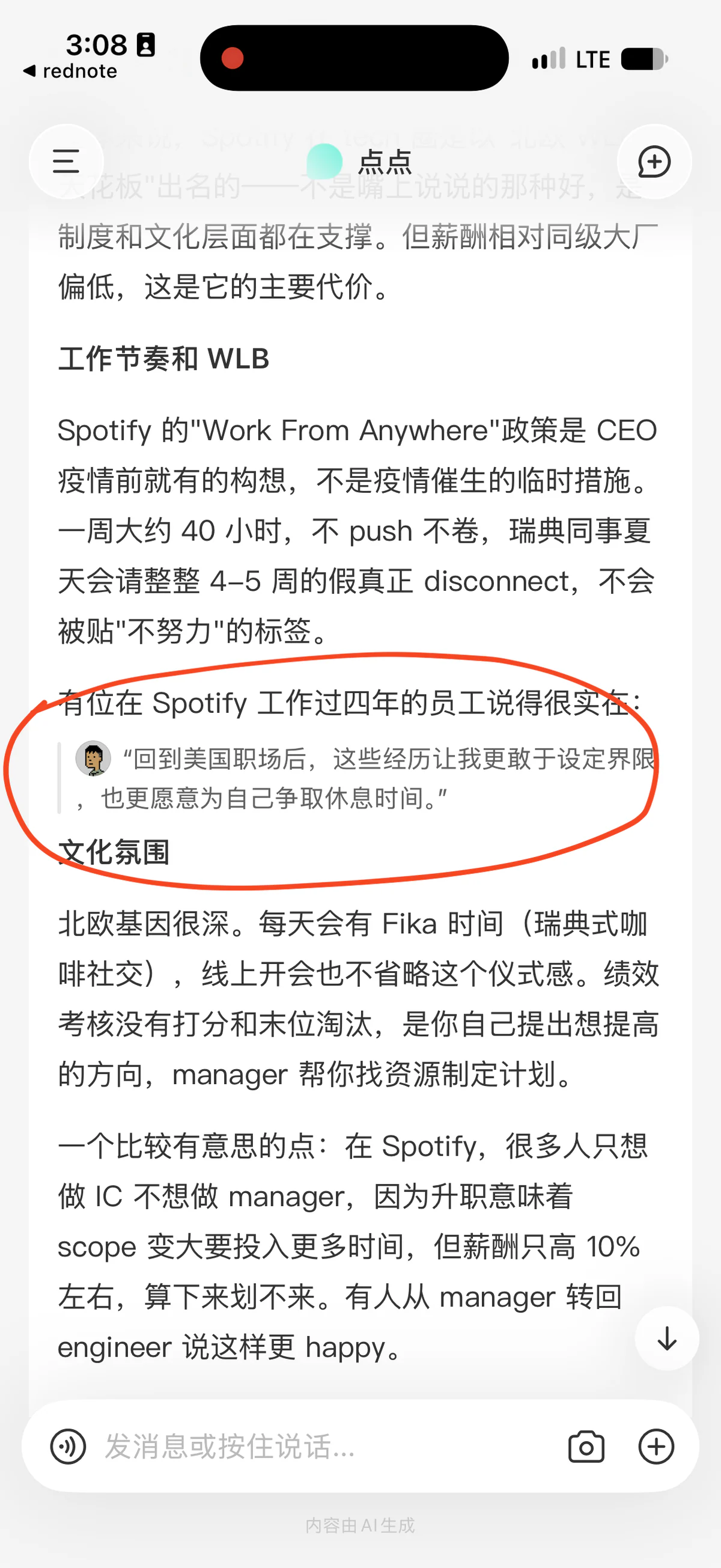
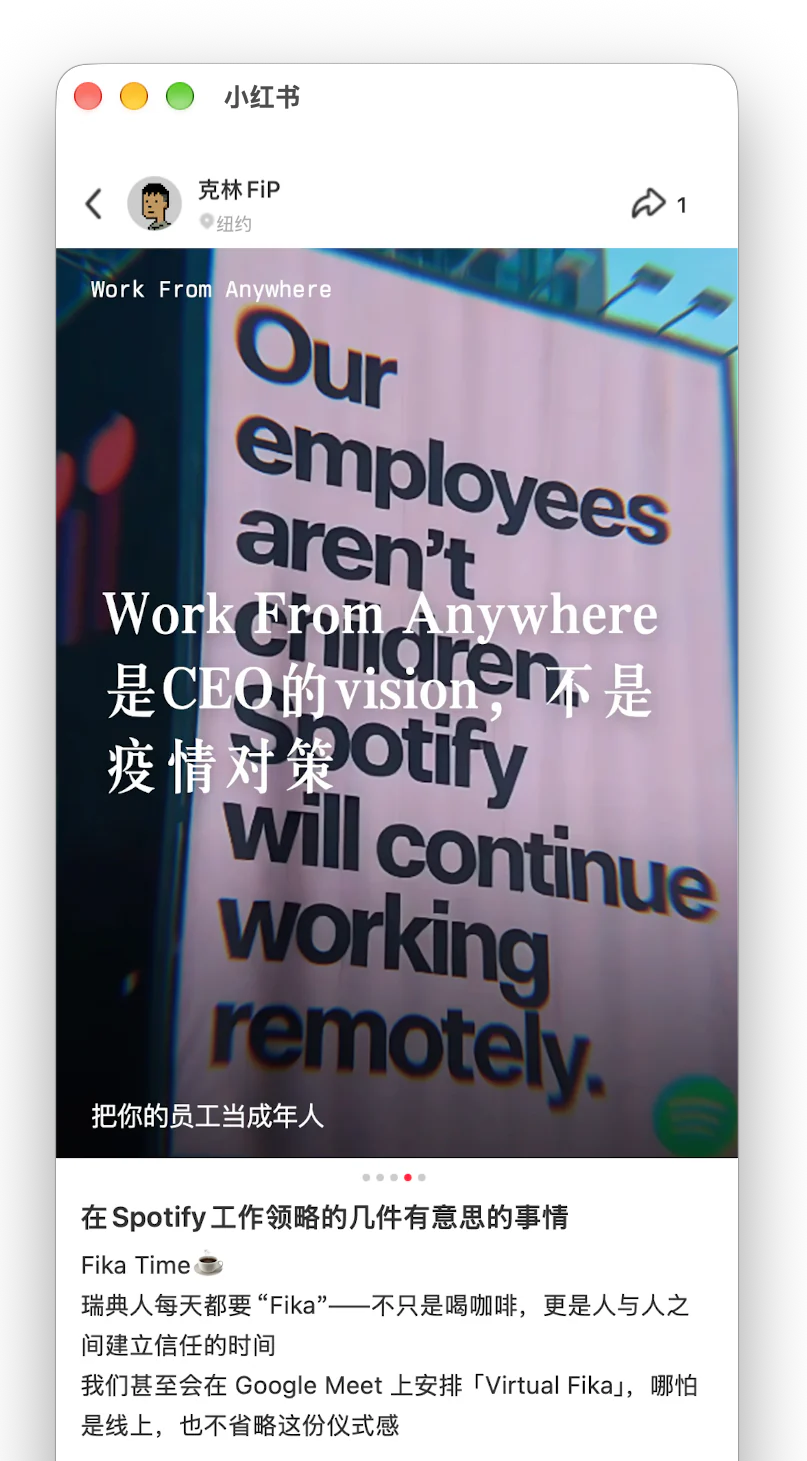
Once a piece of content is out in the world, it can stay useful for far longer than I thought.
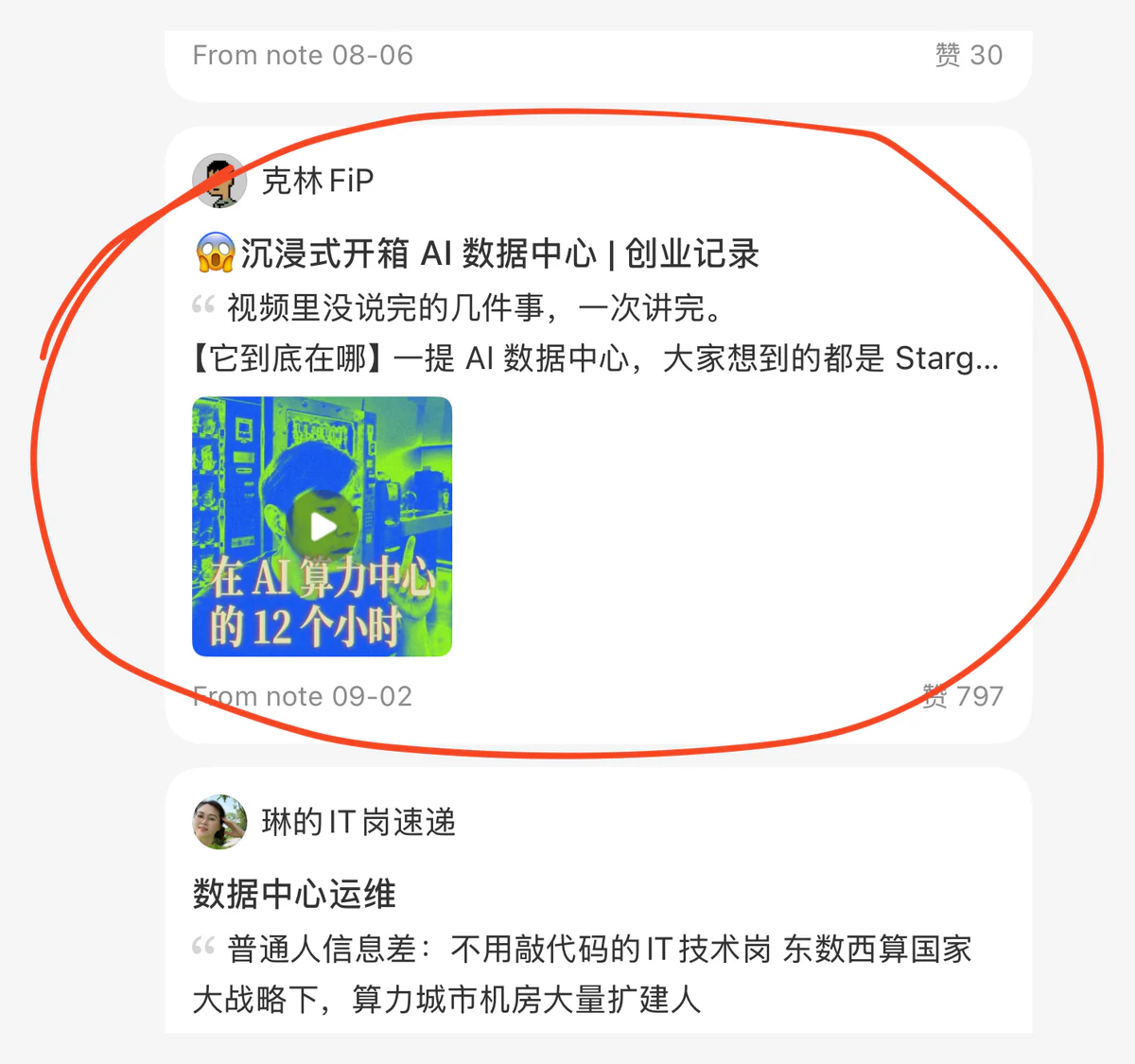
I went inside an AI data center, and posted what I saw.
When Diandian answered questions about it, it used the details I'd recorded on site: no obvious sign at the entrance, two doors to get through on the way in, the roar of the fans and the hot and cold air moving through the server rooms.
What I saw with my own eyes and carefully wrote down became one of the sources other people learn about it from.
So what exactly is GEO?
Generative Engine Optimization.
SEO is like making your book easier to find in the catalog; GEO is like getting AI to use your book when it writes an answer, and cite it.
SEO (search engine optimization): get into the search results.
GEO: become the source of the answer.

I use these five questions to make sense of "GEO yourself":
The expected value of my content
= being eligible to be considered at all
× the chance of being found
× how much it helps the answer
× the chance it's credited and the author recognized
× the real value it brings once it's seen
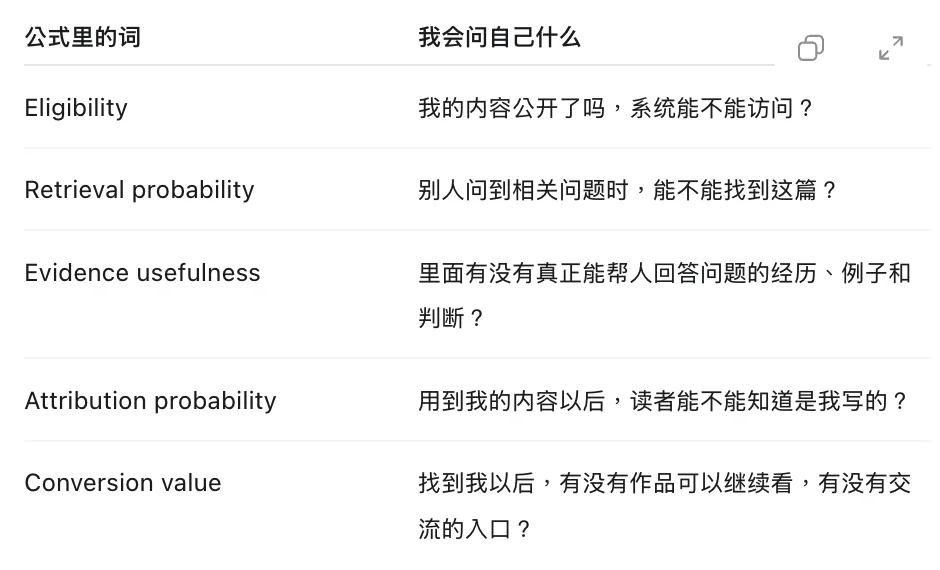
The Diandian examples make it concrete for me:
My notes made it into the sources behind the answers, my experience got used, and readers could follow the source back to me. Whether anyone then clicks through to my profile, keeps reading my work, or reaches out to talk is a separate question.
Fine print: this is a framework for organizing my thinking, not a precise formula for calculating returns.
Turning myself into an operating system
My personal site is called Klyn OS, os.klynwuu.xyz hongwu.xyz (os.hongwu.xyz), a retro computer desktop.
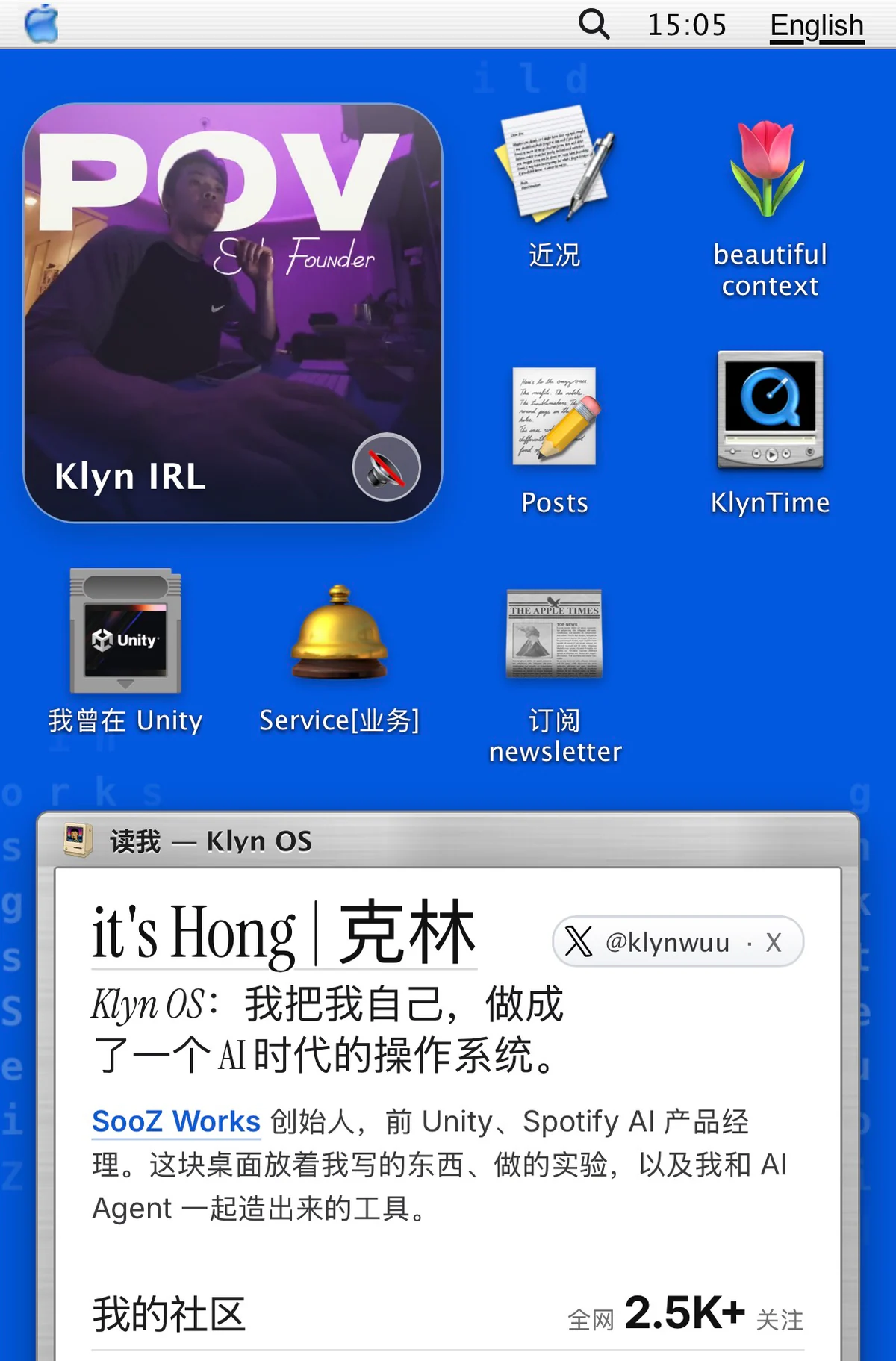
It holds my writing, the experiments I've run, my videos, and the doors to every platform I'm on.
My attempt at building a video agent, for example, or my look back after managing 16 AI agents: it's all there to keep reading.
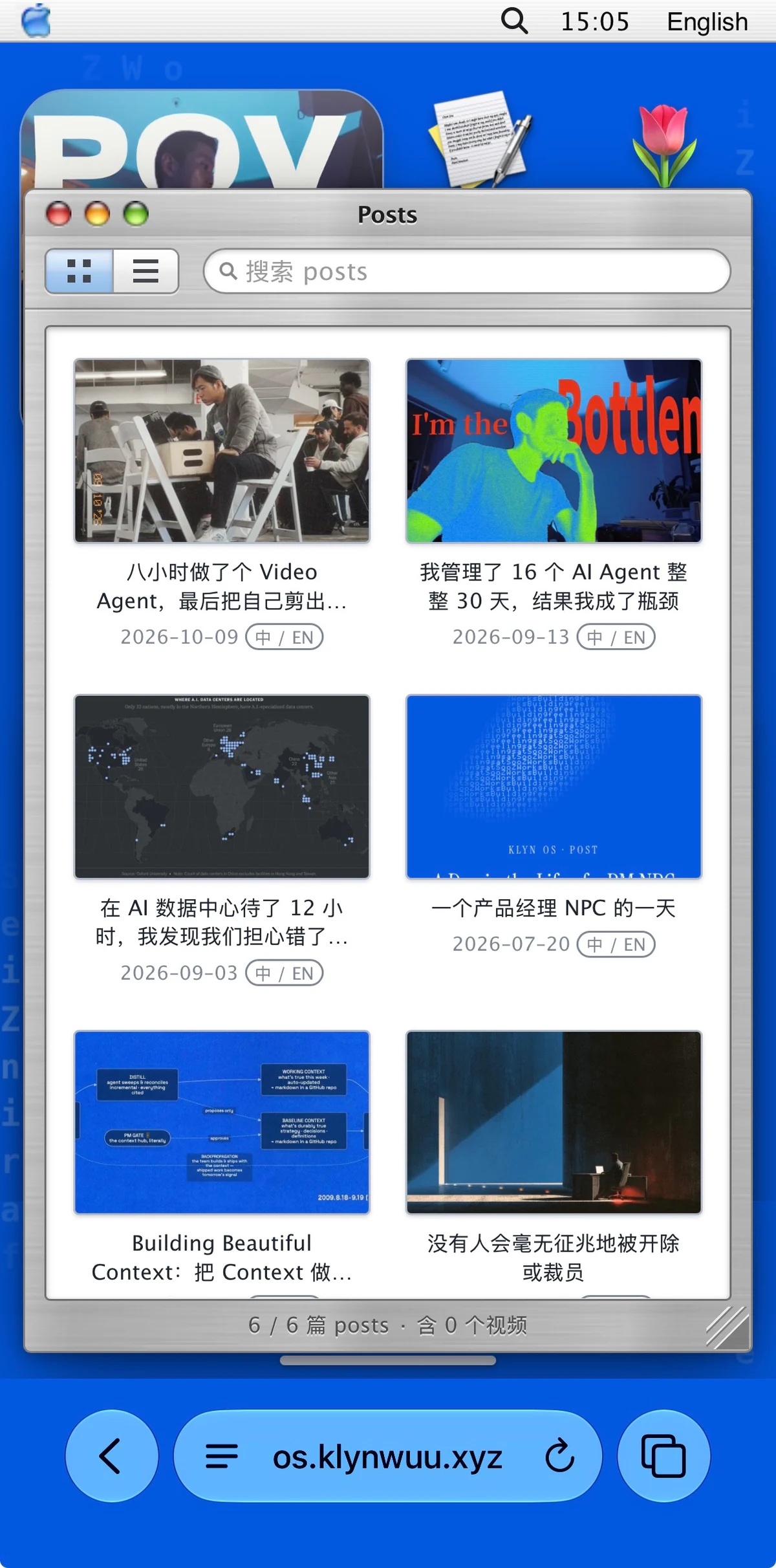
When someone wants to get to know me, these concrete things are what I want them to find.
This record introduces me better than "I'm passionate about AI" ever could.
Gemini LLM and my content library
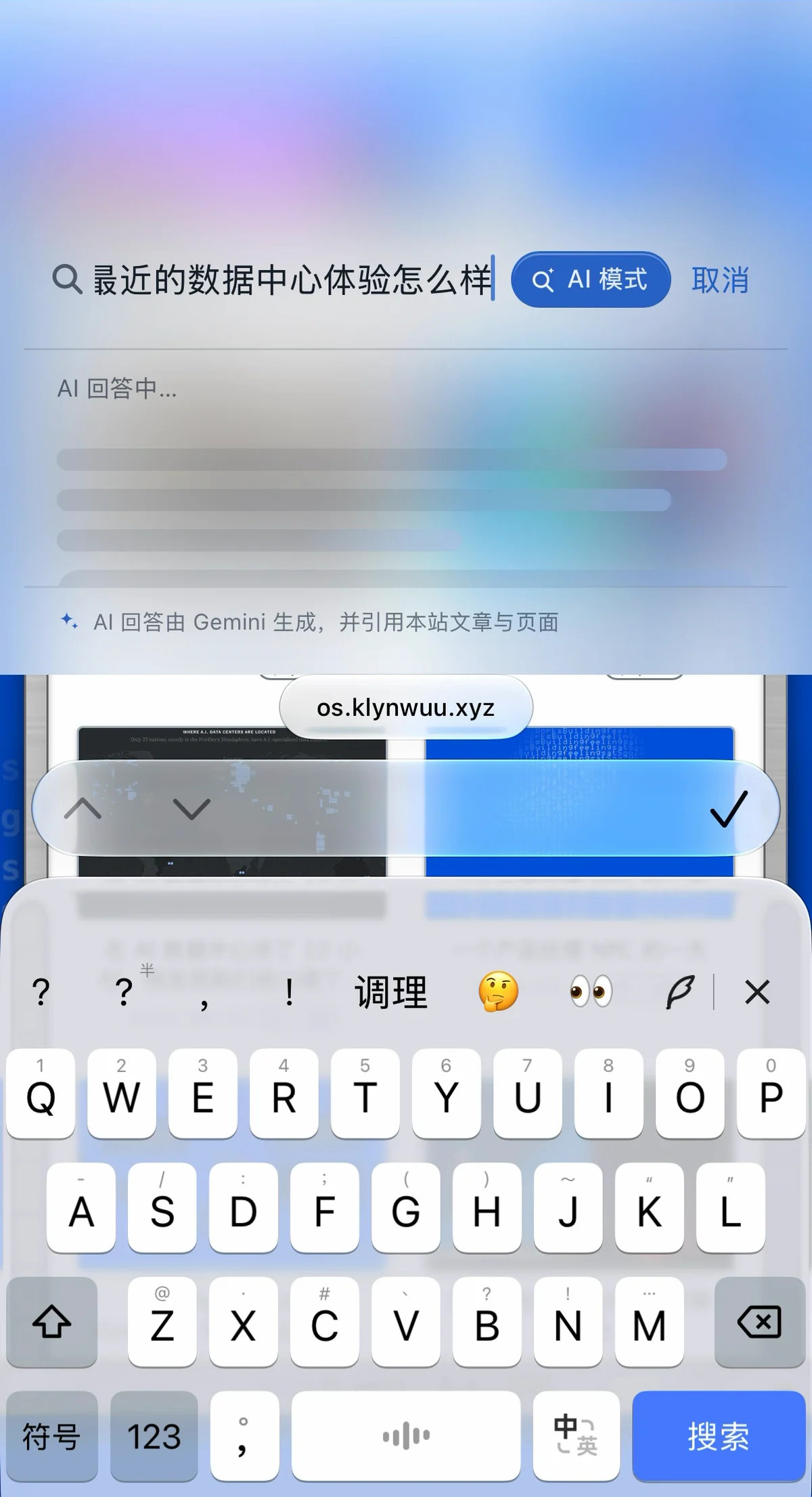
I also gave all this content a Gemini front door
If you want to get to know me, you can just ask it about my writing, my projects and my experience.
Here's how it works: the system searches my own content first, then hands the relevant material to Gemini to answer. That's the RAG approach.
I also put together an llms.txt, so AI has a clear table of contents.
I've started treating my public content as a library I keep up for the long haul.
I'm actively "feeding" LLMs and AI the "training data" I want them to know about me!
My personal GEO checklist
These are the five steps I check my content against
① Usable: the content is public, the links open, and anything important also exists as text.
② Easy to find: the title names a specific question, and my name, handles and accounts all point to the same person.
③ Worth using: more of my own process, examples, results and limits.
④ Traceable to the author: the byline, the original, project pages and links to my accounts are all easy to spot.
⑤ A way to learn more: my homepage shows representative work, and a clear way to reach me.
In the US I use X and LinkedIn; RedNote (Xiaohongshu) has also become a place where my content gets discovered.
I've never thought of myself as running "personal media," or any kind of "media." I just make content.
To me, "monetizing content" also means meeting someone I can build things with, and getting a chance to talk or work together.
What I want more is for my content to make me my own connector of people and resources: letting people know what I'm working on and how I can help, and helping me find the help and partners I need.
Start by posting one small thing you've done recently.
And feel free to leave a line in the comments: I'm working on ___, and I'm looking for ___ to ___ with.
(There are no comments here — email me@hongwu.xyz or tell me on X @hongwuxyz.)
That way, people who share your interests get a chance to find you, too.